Warewashing (32)
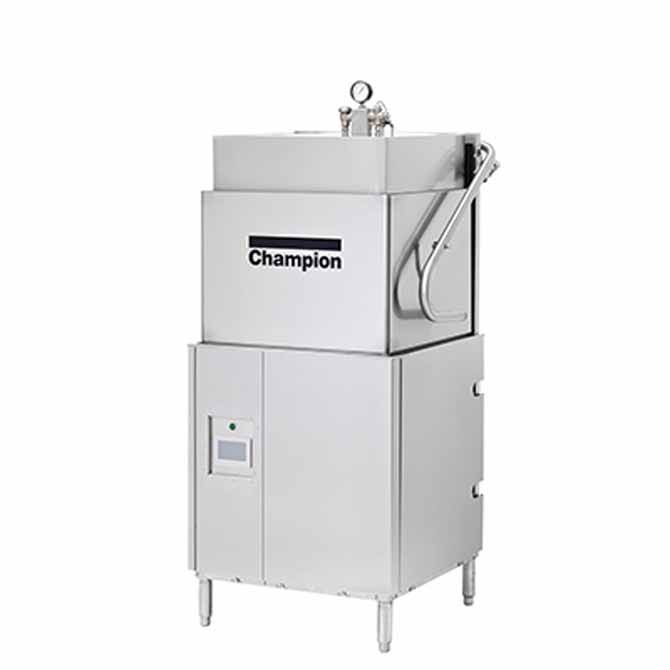
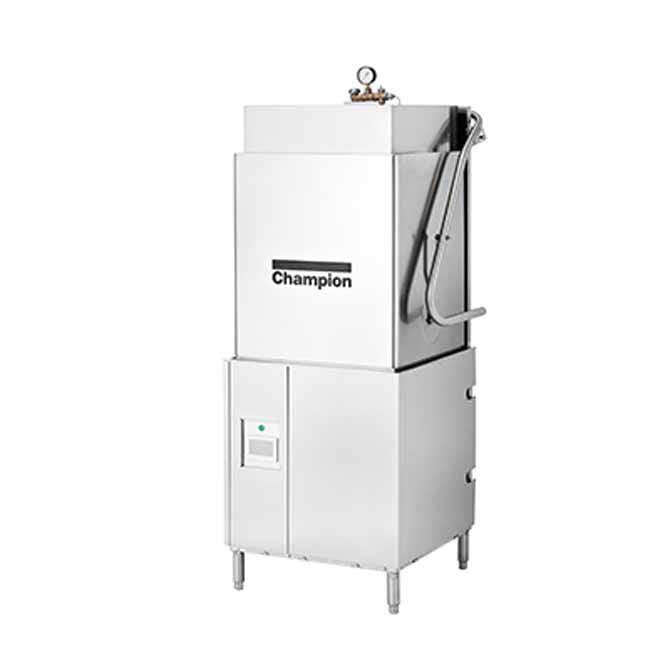
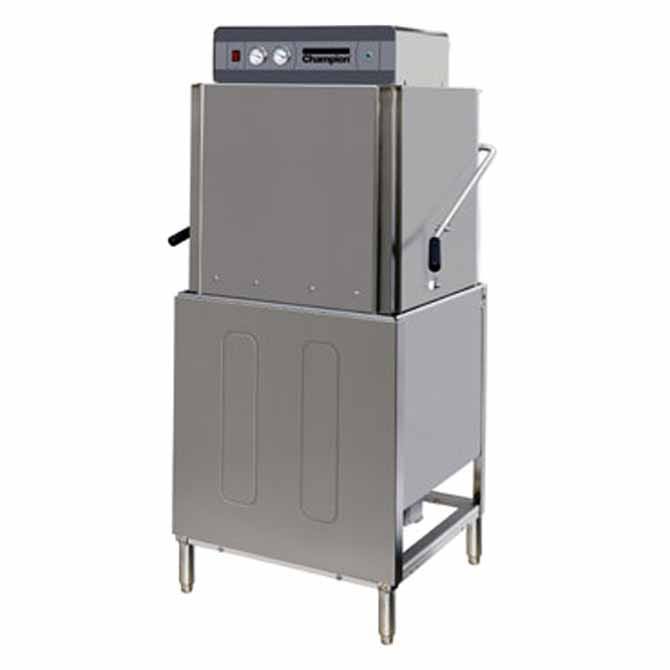
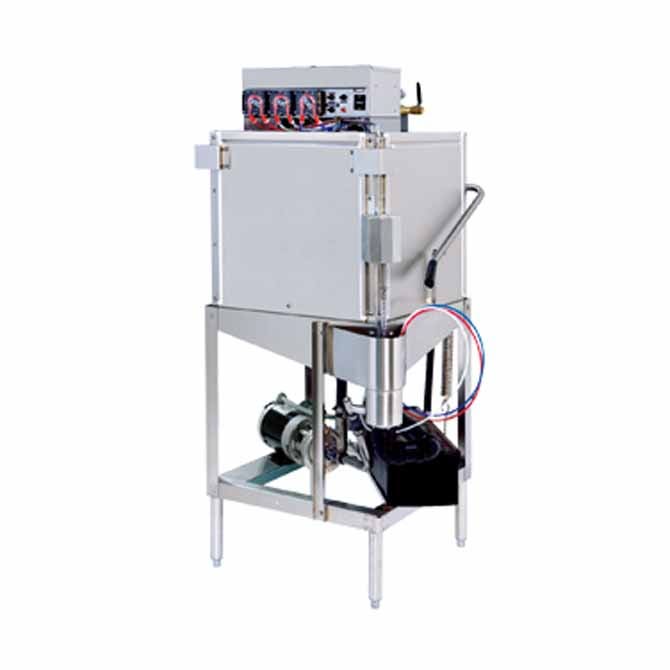

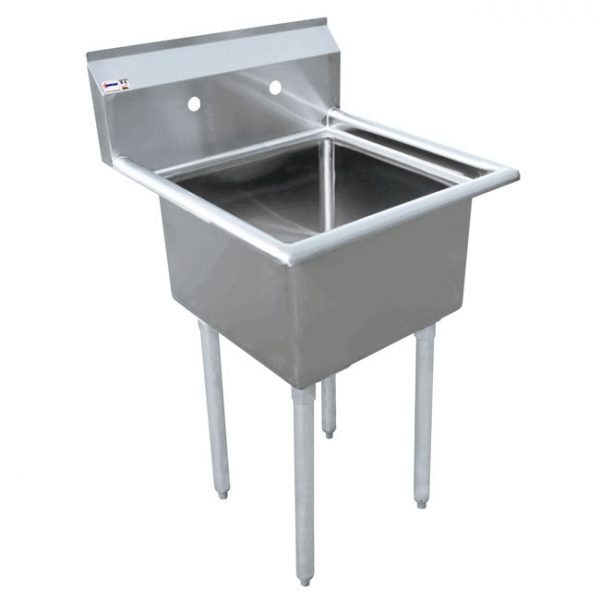
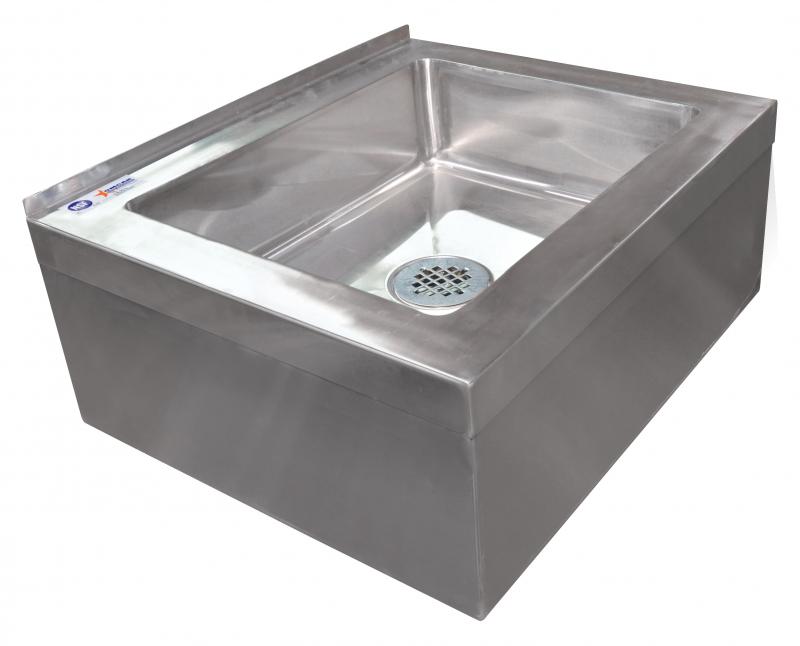
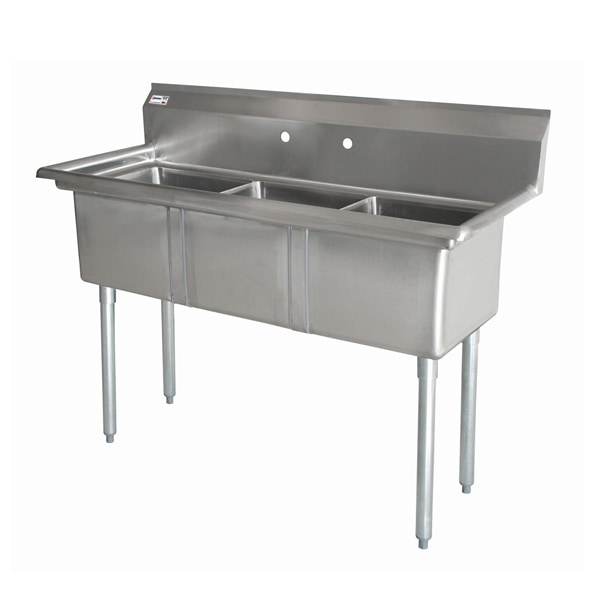
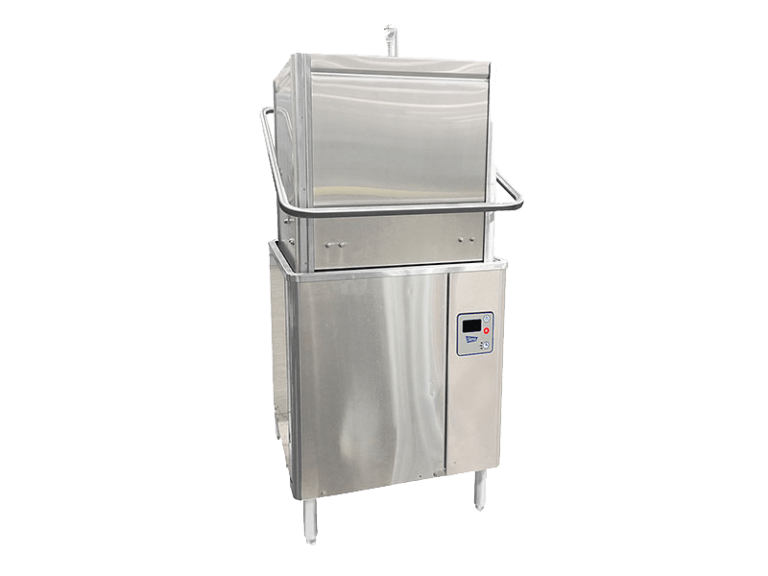
Commercial Warewashing Equipment Guide
A reliable dishwashing line protects your health inspection score and keeps service moving. This page catalogs every commercial warewashing model in the CookBidSpecs database — dishwashers, glass washers, pot sinks, and sanitizers — with full specifications for comparison.
Key specifications to compare
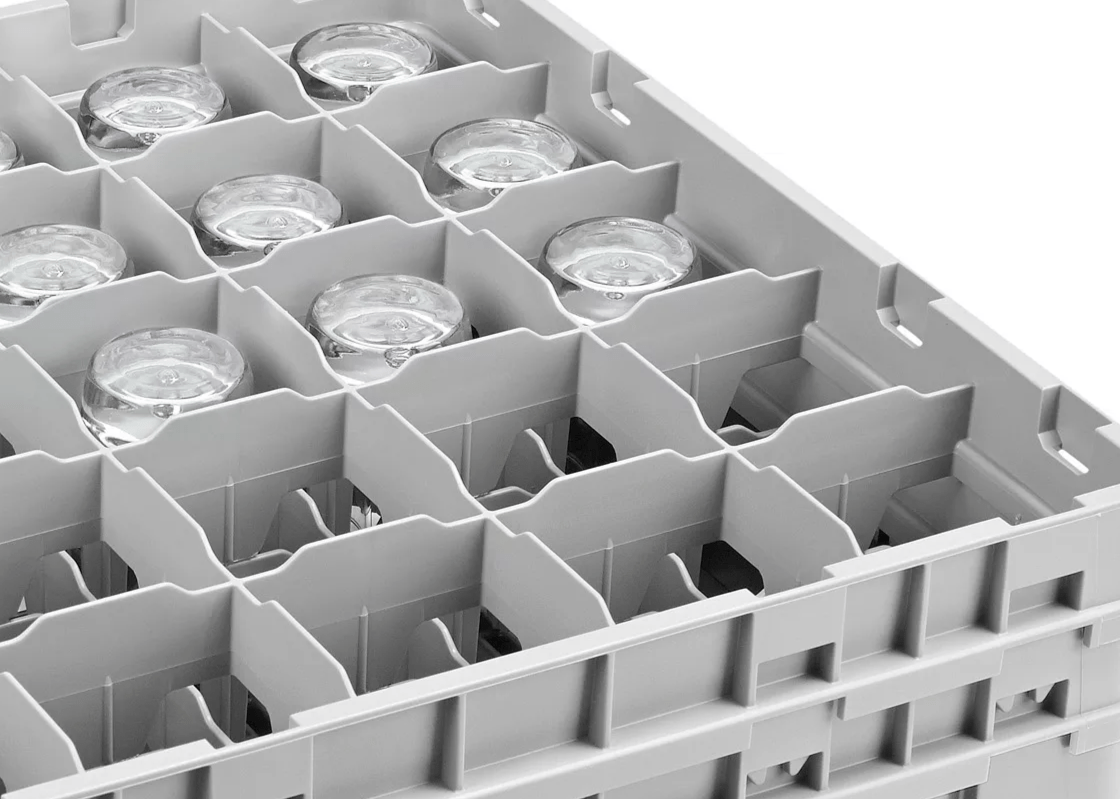
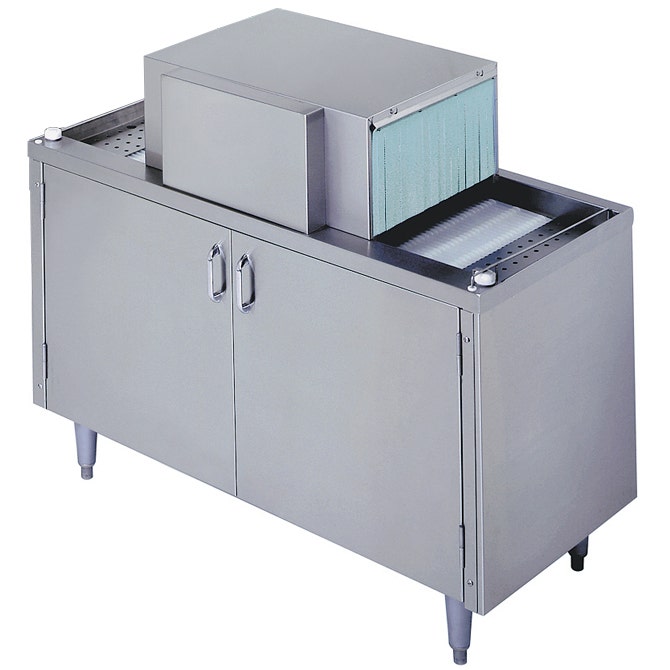
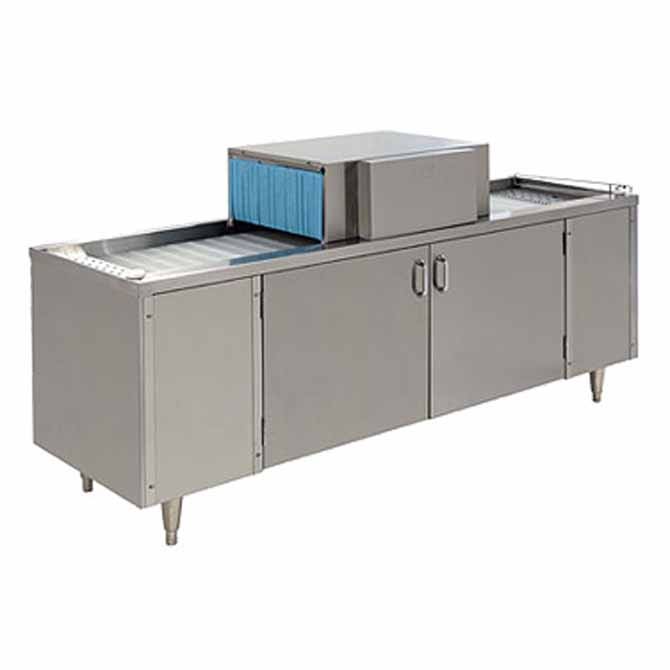
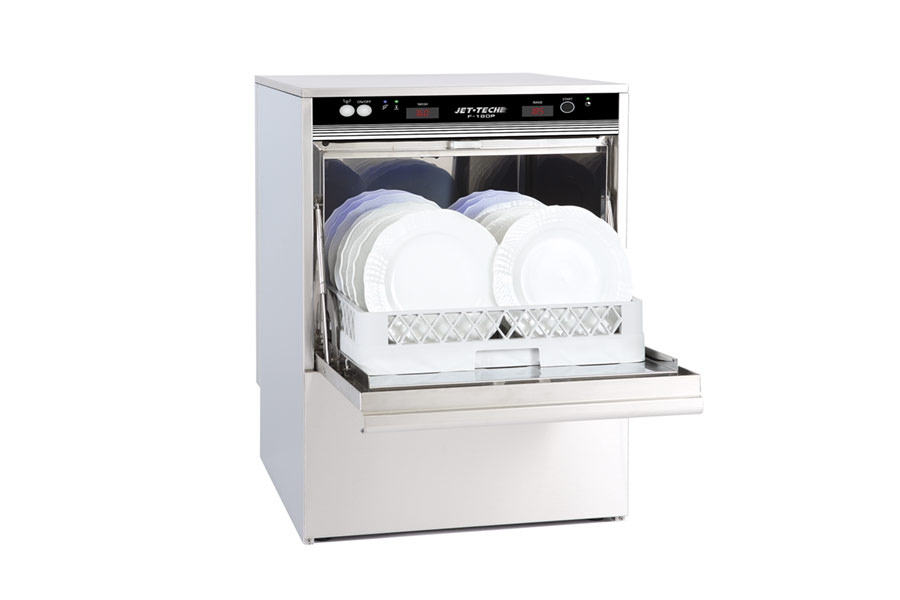
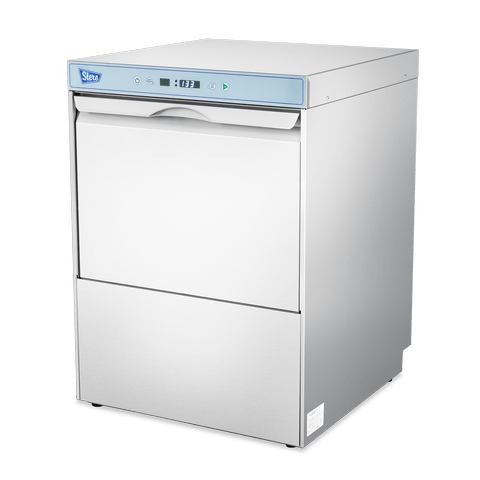
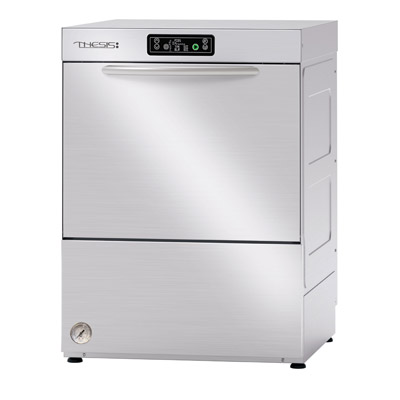
Machine type. Undercounter dishwashers fit beneath a standard counter and wash 20-30 racks per hour — ideal for cafés and small kitchens. Door-type (dish) machines handle 40-60 racks per hour and are the workhorse of mid-size restaurants. Conveyor and flight machines process 100+ racks per hour for high-volume operations. Glass washers are compact units built specifically for bars, washing up to 60 glasses per cycle in under two minutes.
Rack rate and cycle time. Rack rate (racks per hour) is the single most important spec for matching a machine to your volume. Cycle times range from 90 seconds for high-temp machines to 3-4 minutes for low-temp chemical machines. High-temperature (180°F final rinse) machines sanitize with heat and dry faster; low-temperature machines use chemical sanitizer and cost less to run, but dishes come out wetter.
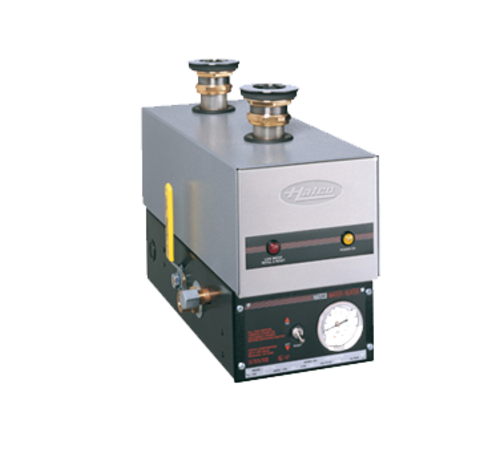
Electrical and plumbing. Machines need 120V, 208V, or 230V depending on size, and most require a dedicated circuit. Water usage matters: high-temp machines use 1-3 gallons per rack, and booster heaters add 4-12 kW to bring rinse water to 180°F. Verify your kitchen's hot water supply — a dishwasher can demand 50-100% of your total water heating capacity.
Construction. Look for stainless steel tanks and frames, removable wash arms and filters for cleaning, and a built-in chemical dispenser system. NSF certification is standard for commercial units and required for health code compliance.
Brands in this category
The database includes the leading warewashing brands used across the US food service industry, including Hobart, Champion, Jackson, and CMA. Hobart and Champion are the dominant names in high-volume door and conveyor machines, while Jackson and CMA offer strong mid-range options.
Buying used vs new
Warewashing equipment sees hard use, but quality machines are repairable and frequently available used at restaurant auctions. When evaluating a used dishwasher, check pump function, wash arm condition, and whether the tank has scale buildup. A machine that was properly maintained can deliver years of service at a fraction of retail cost. Use the specs here to confirm rack rate, voltage, and water requirements match your operation before you buy.
A dependable warewashing line keeps plates clean, inspections green, and your kitchen running.