Storage (83)
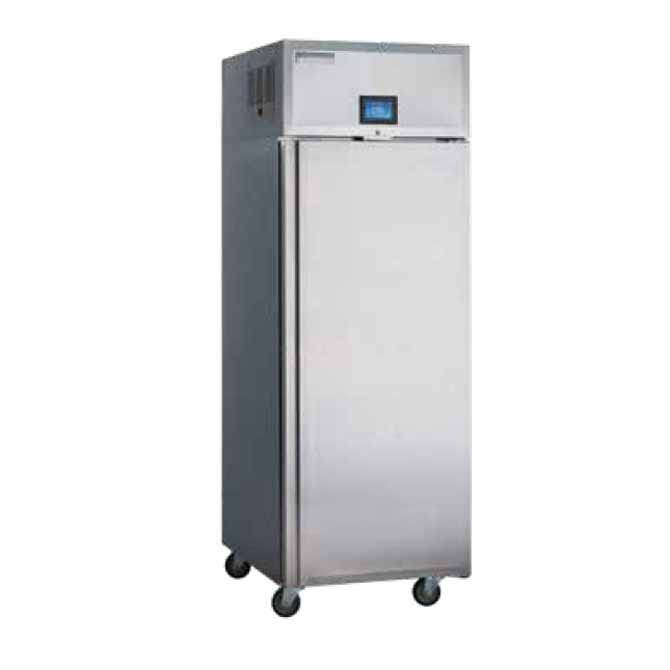
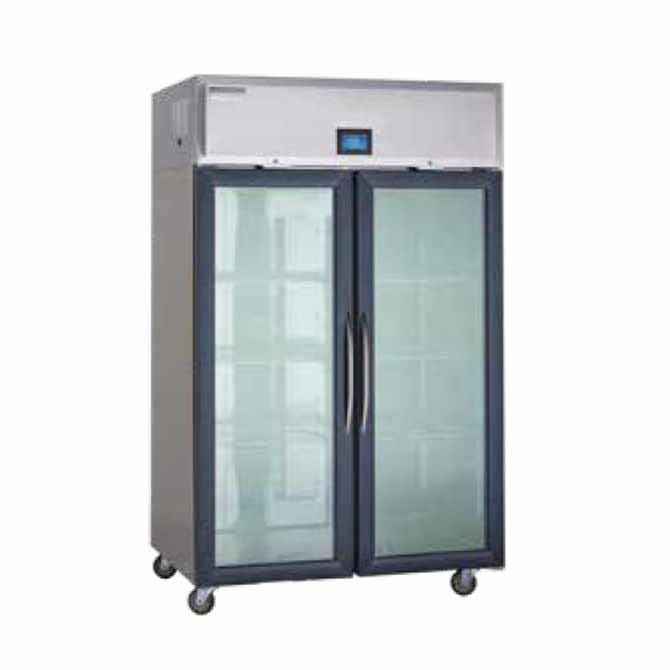
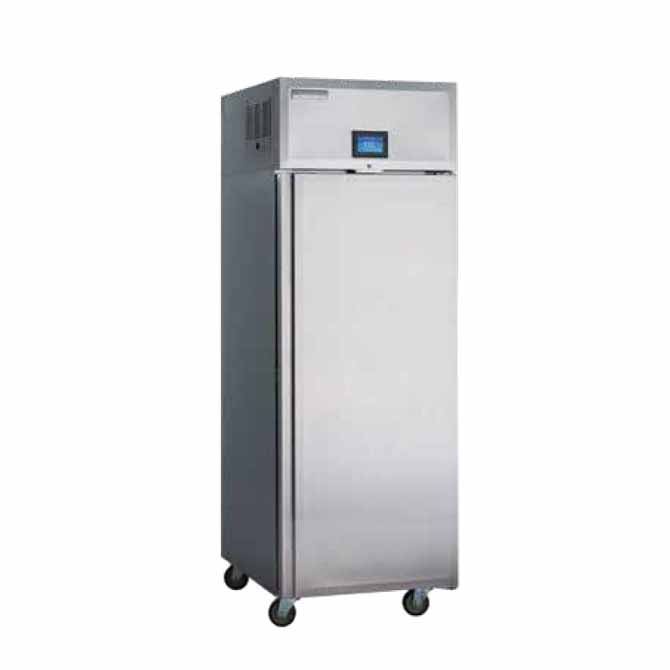
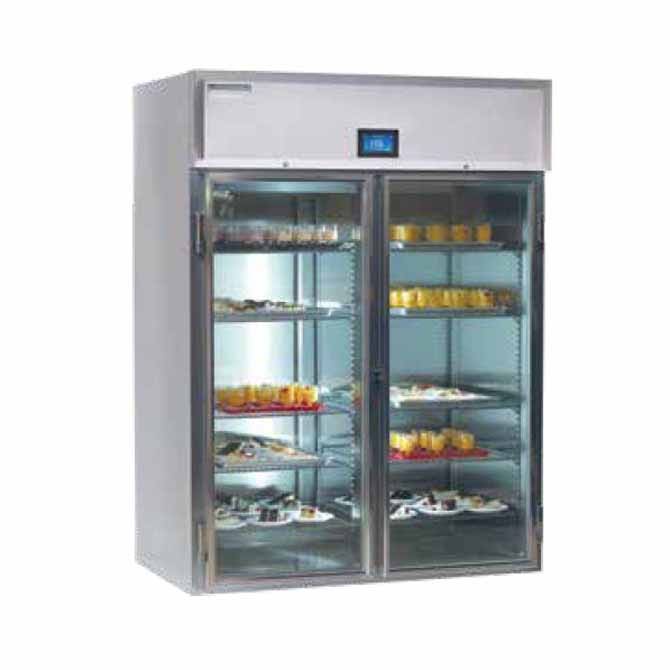
Commercial Kitchen Storage Guide
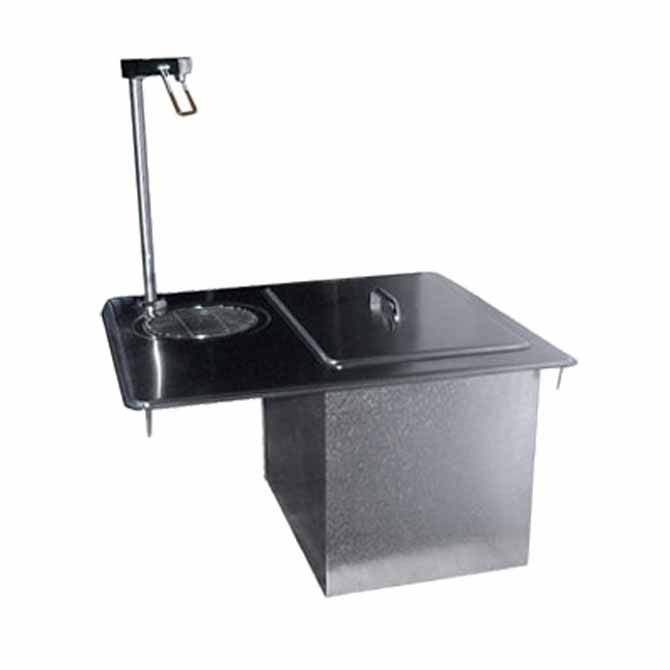
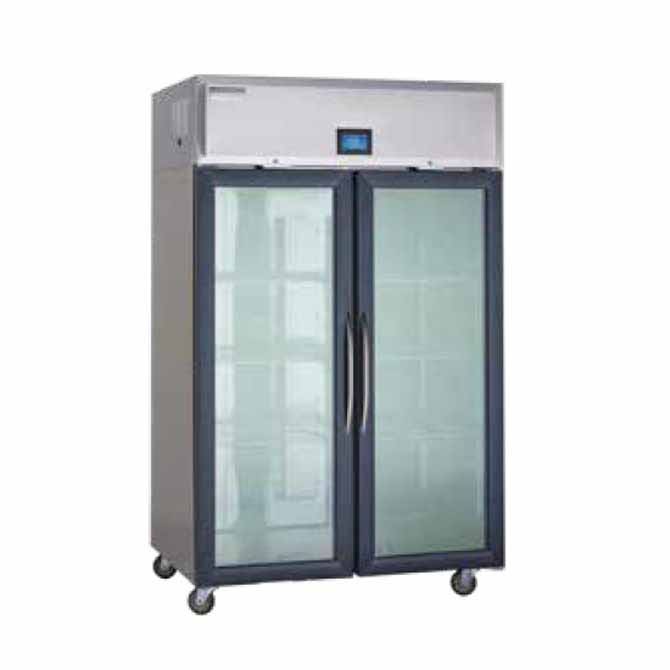
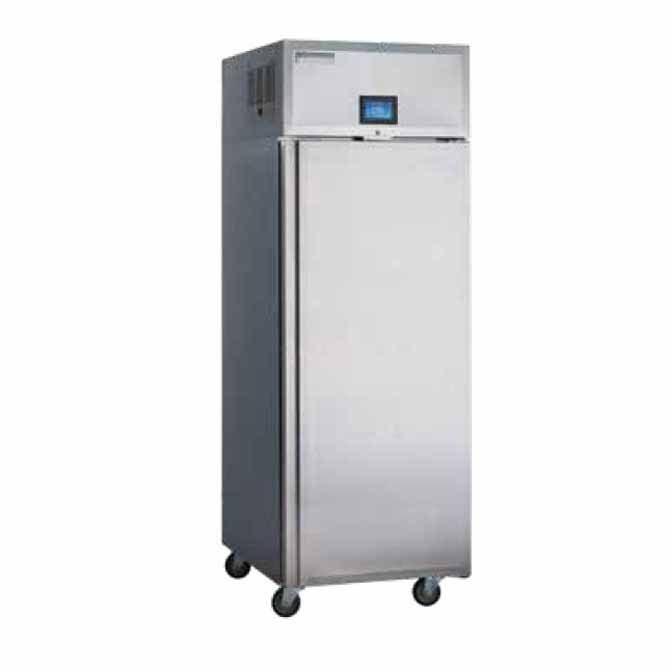
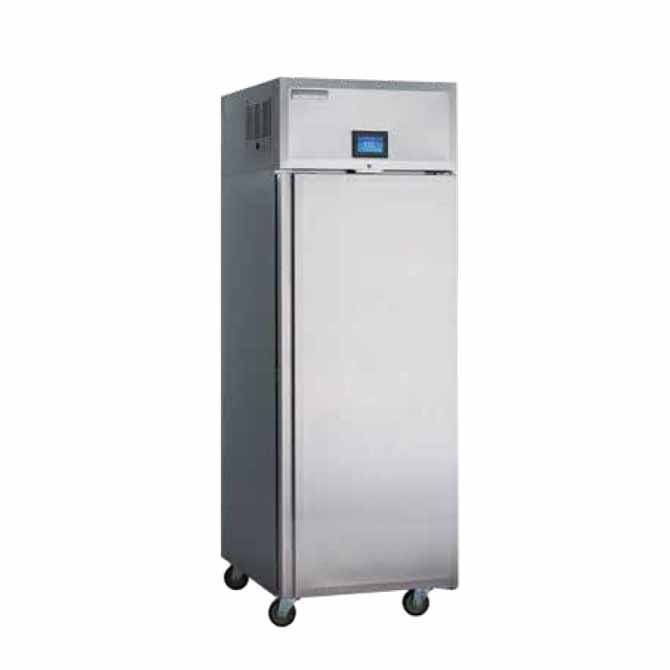
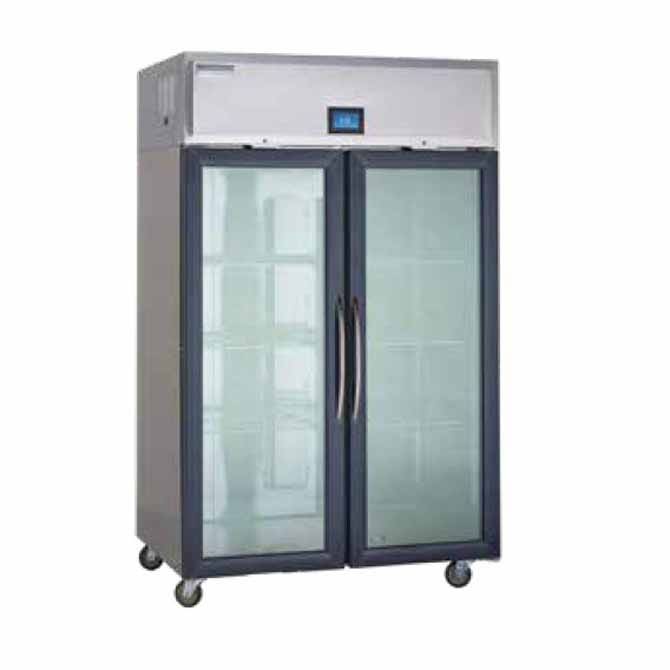
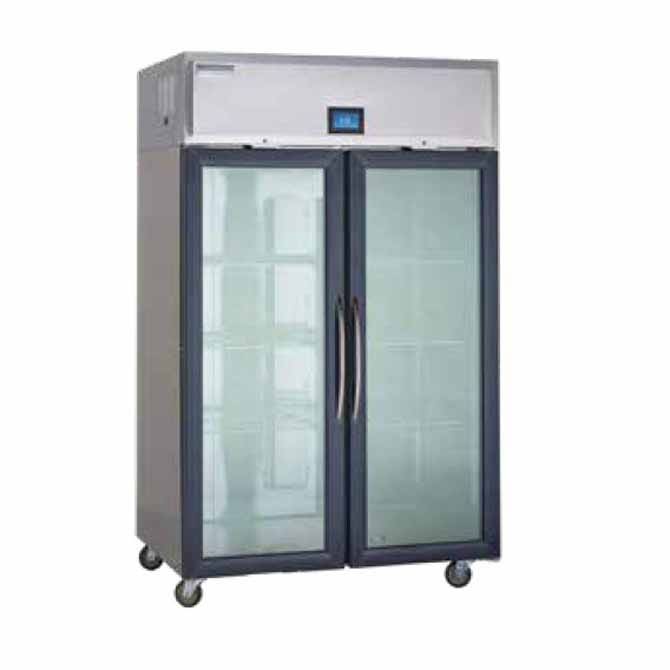
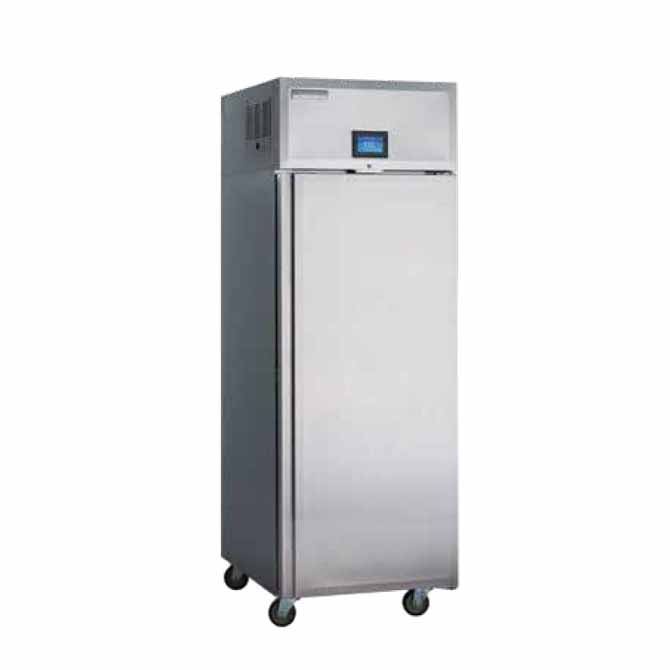
Good storage keeps a kitchen organized, safe, and efficient. This page lists every commercial storage model in the CookBidSpecs database — shelving, racks, carts, bins, and holding cabinets — with specifications to help you plan your layout.
Key specifications to compare
Shelving types. Stainless steel shelving is the standard for food contact areas: it resists corrosion, handles high loads, and wipes clean for health inspections. Epoxy-coated shelving offers a lower-cost alternative that still resists moisture well. Galvanized and chrome shelving are budget options suited to dry storage away from direct food contact. Load ratings matter — commercial shelving ranges from light-duty 200 lb per shelf to heavy-duty 800+ lb per shelf.
Dimensions and configuration. Shelving units come in standard widths (18, 21, 24, 30, 36, 42, and 48 inches) and depths (12-24 inches), with 4 to 6 shelf levels and adjustable heights. Post connectors allow you to build custom configurations. For walk-in coolers and freezers, use galvanized or specially coated shelving that tolerates cold and humidity.
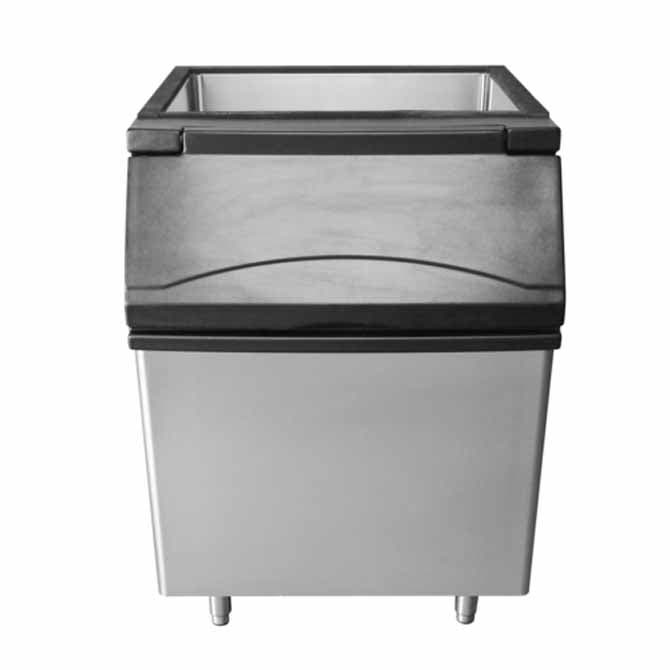
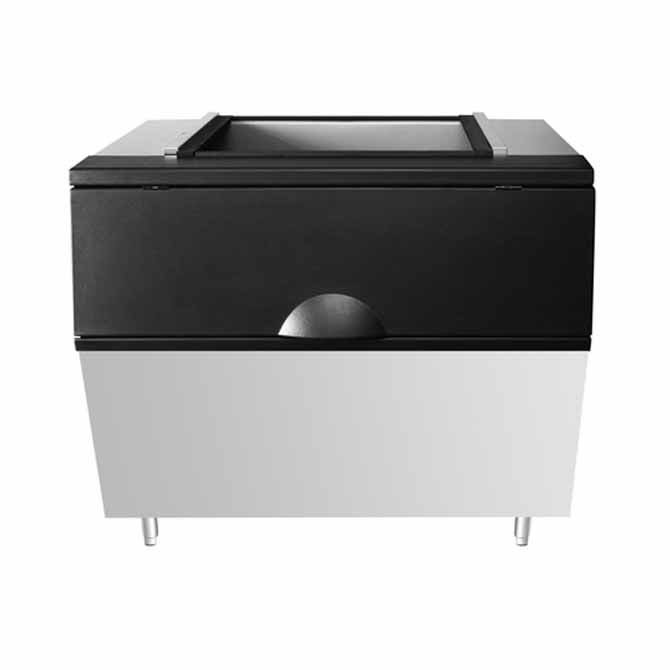
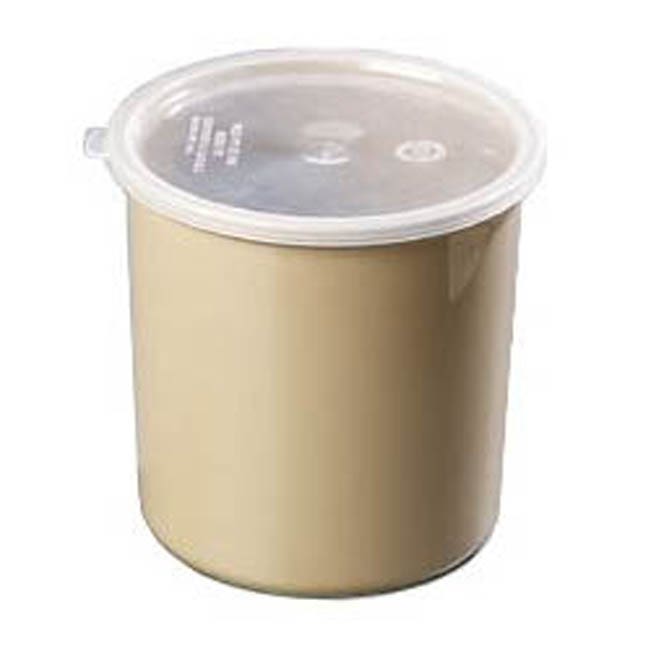
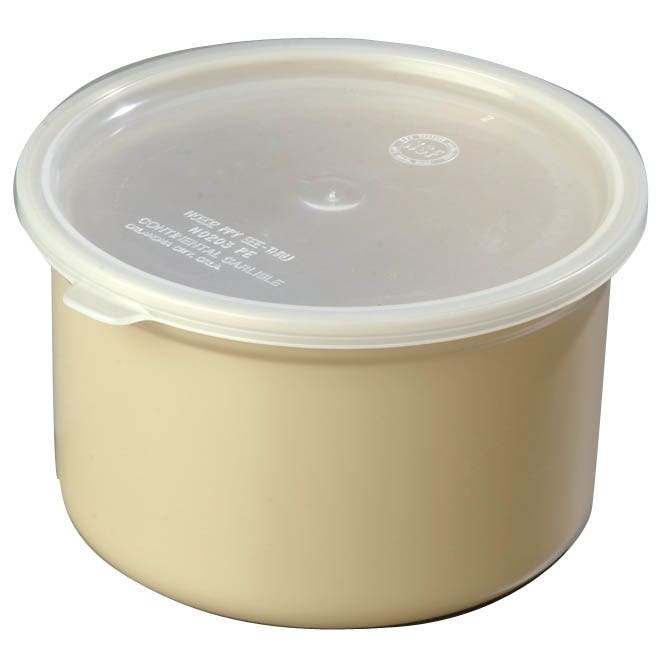
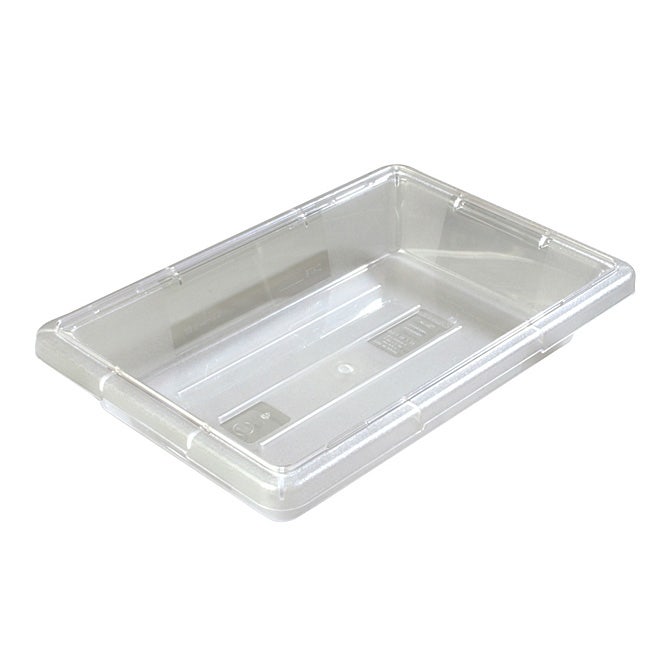
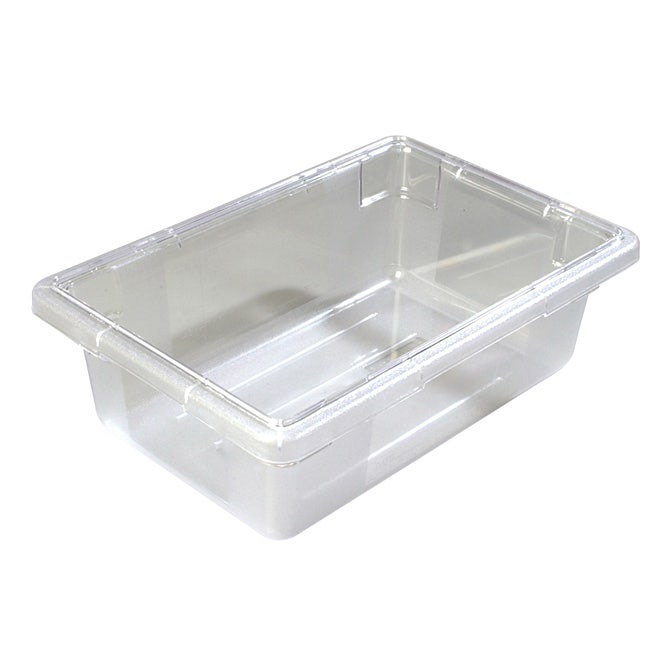
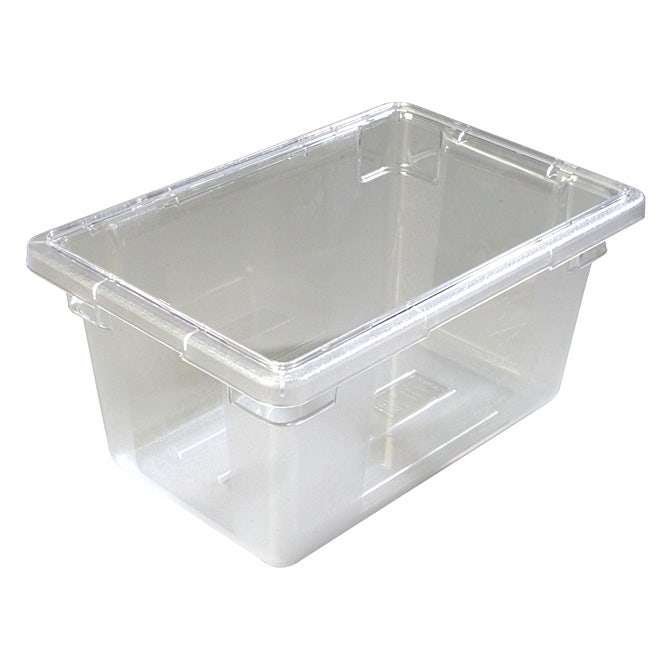
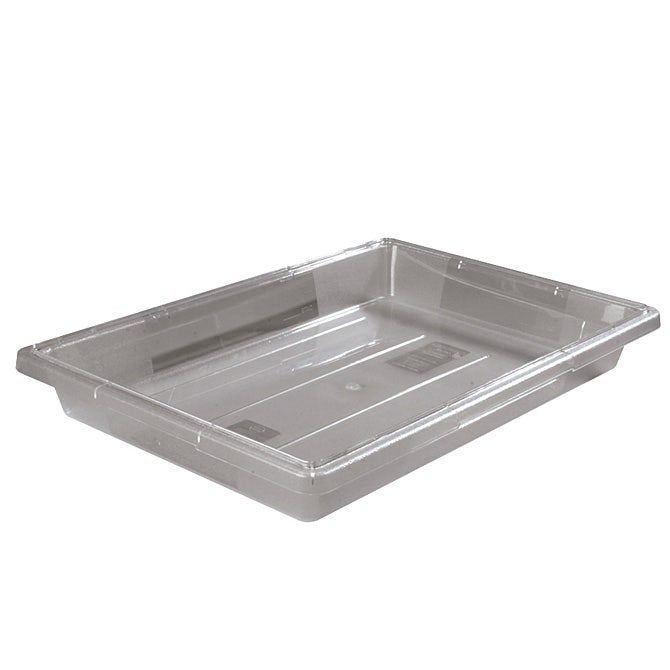
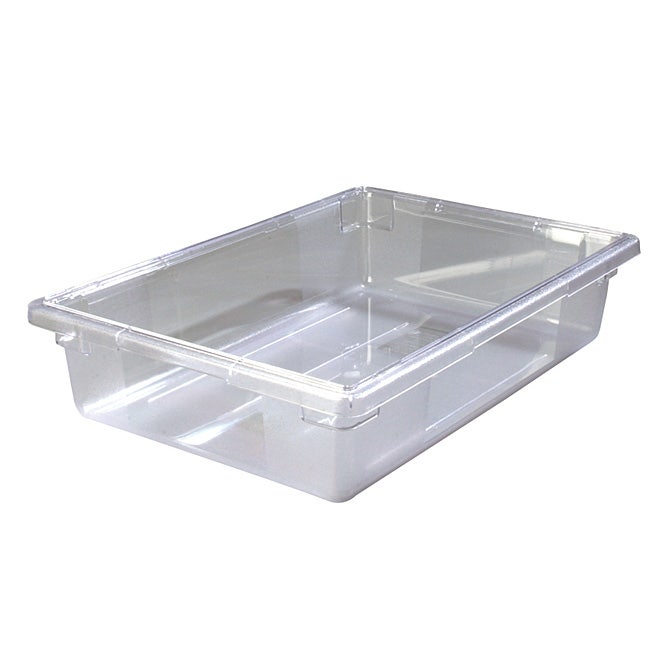
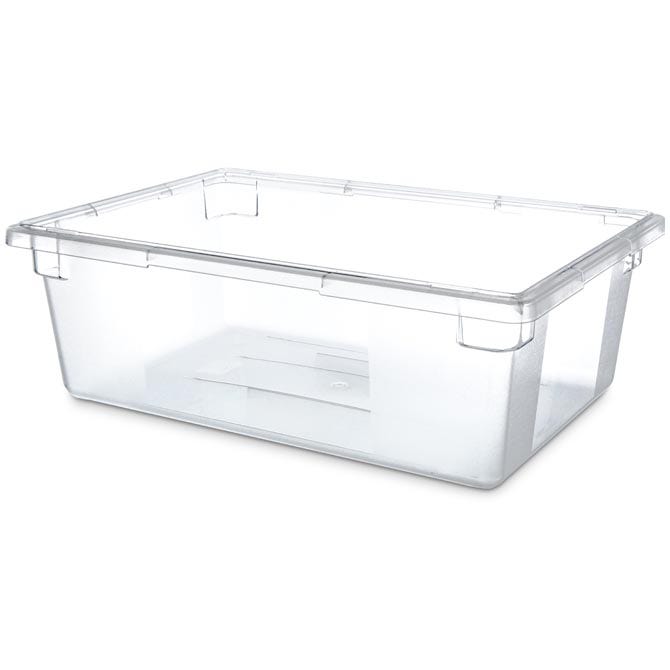
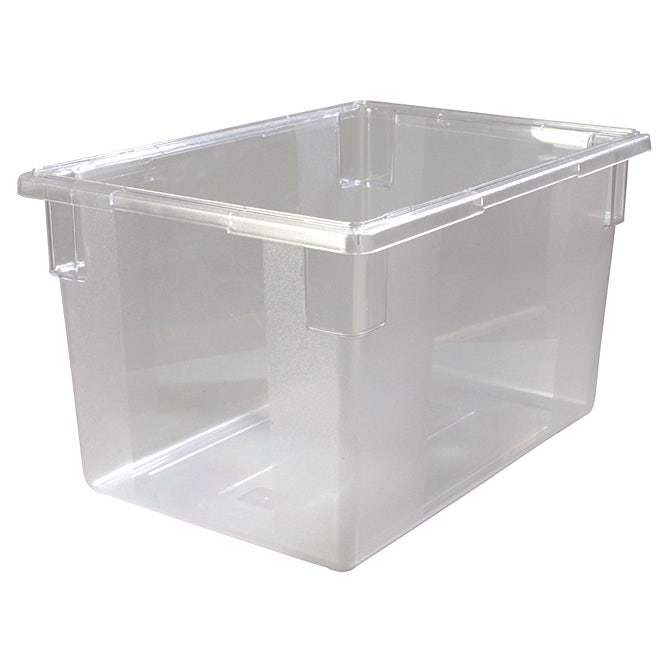
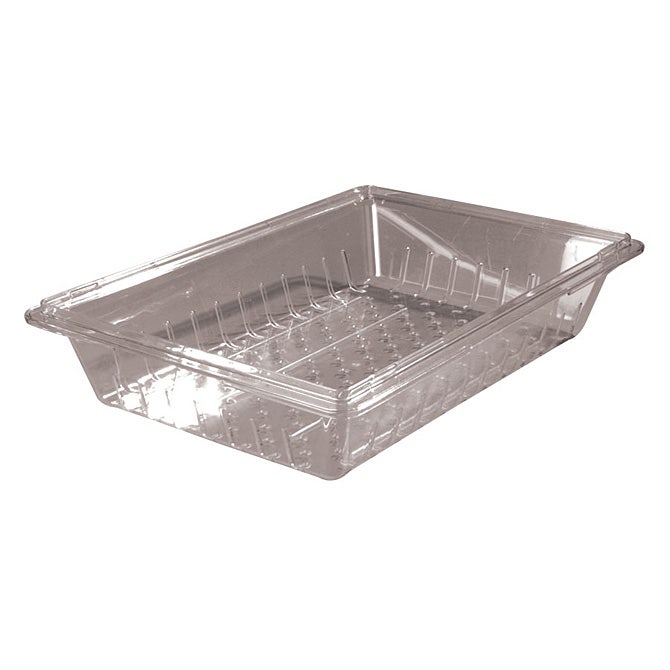
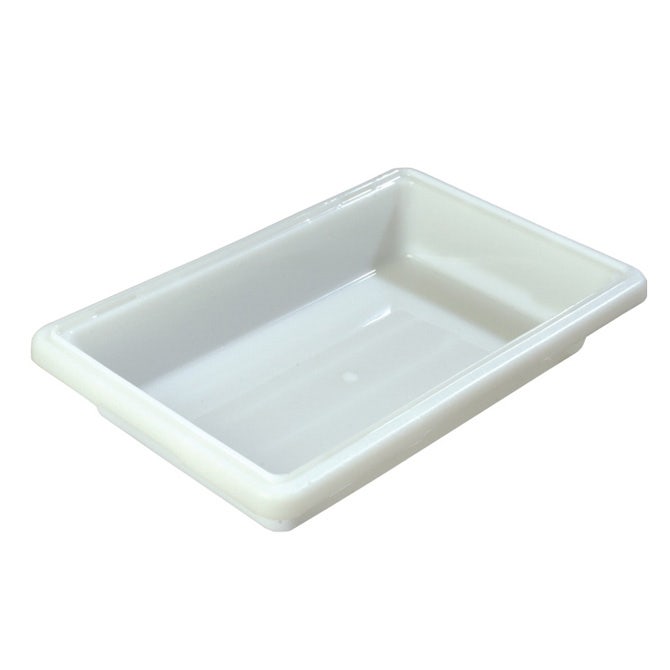
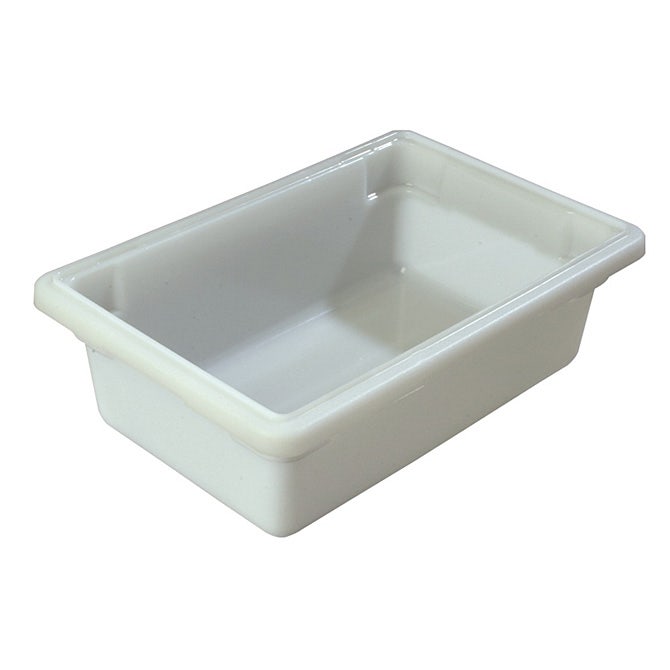
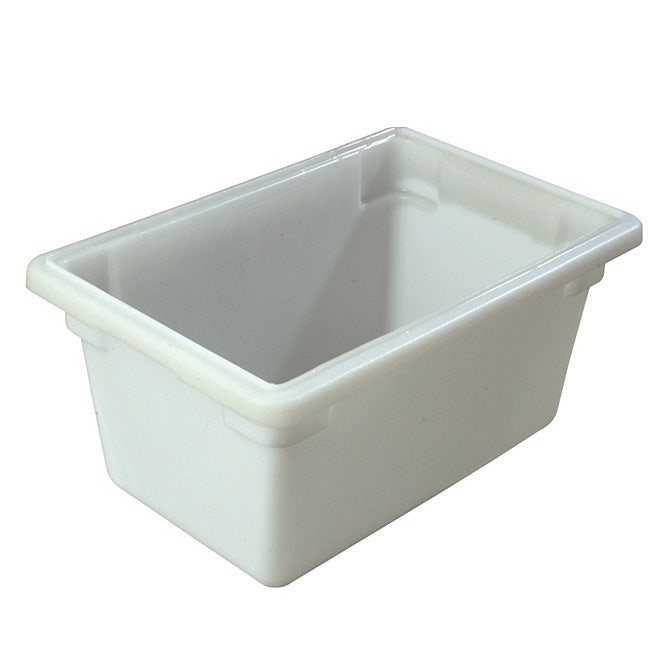
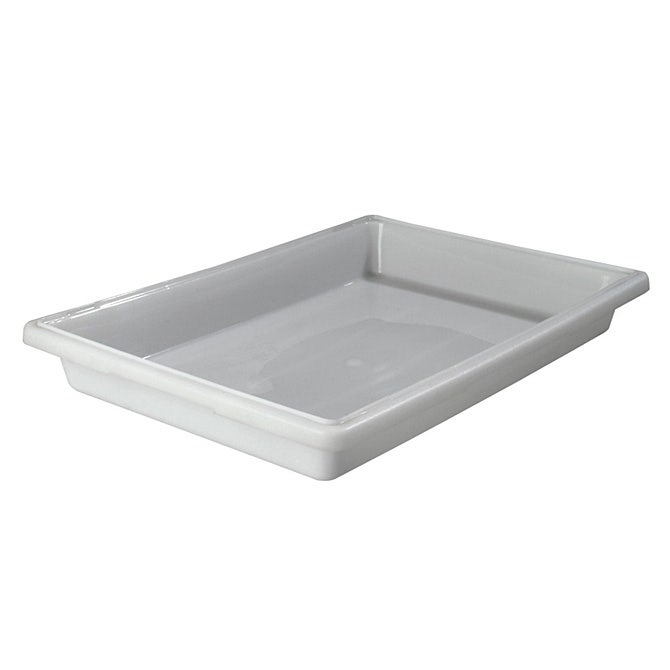
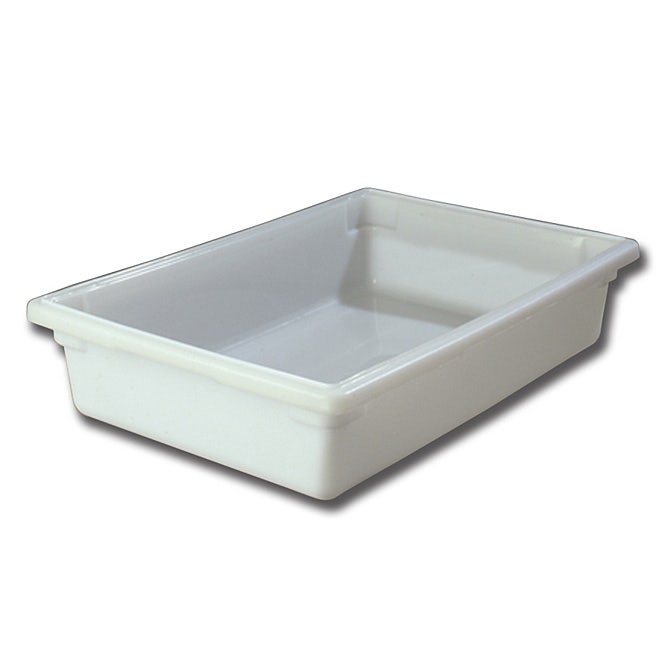
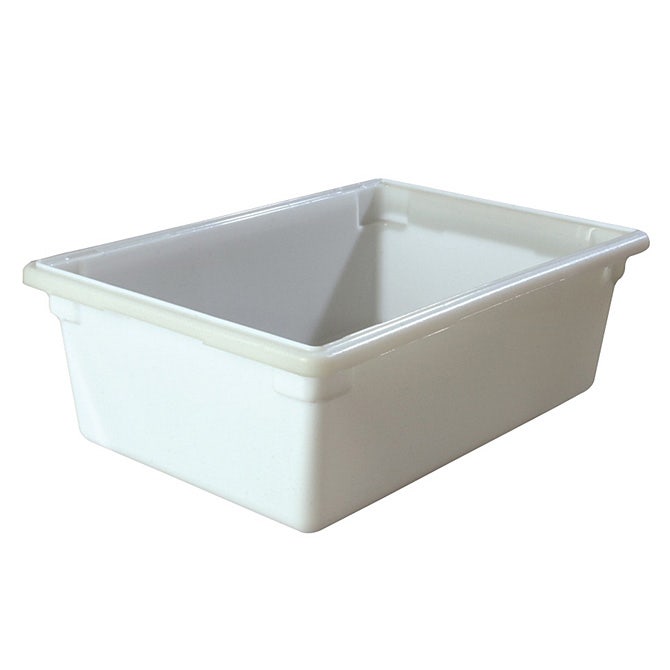
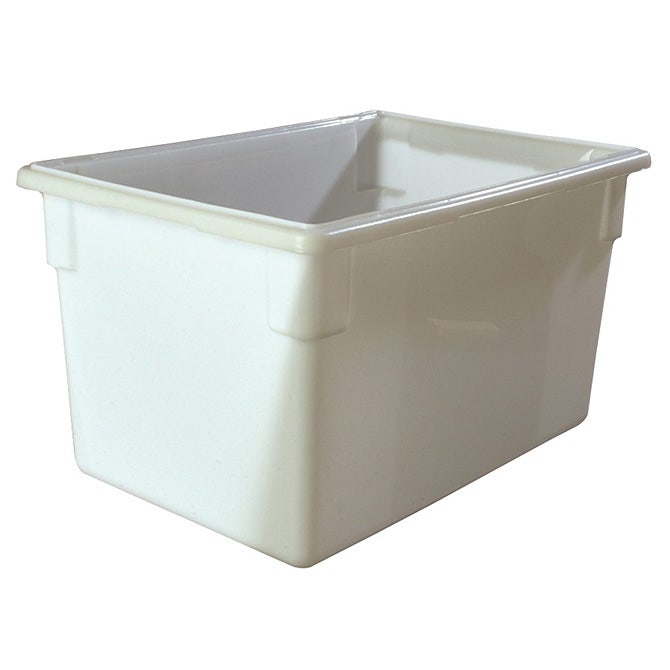
Carts and racks. Utility carts, ingredient bins, sheet pan racks, and mobile shelving move product and ingredients efficiently. Key specs include weight capacity, caster type (swivel vs locking), and overall dimensions. Sheet pan racks hold 10-20 full-size pans and are essential in bakeries and pizza kitchens.
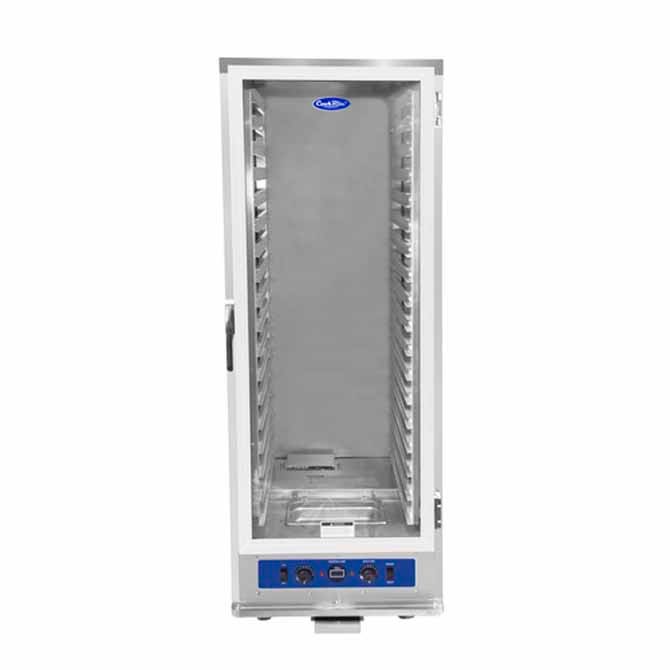
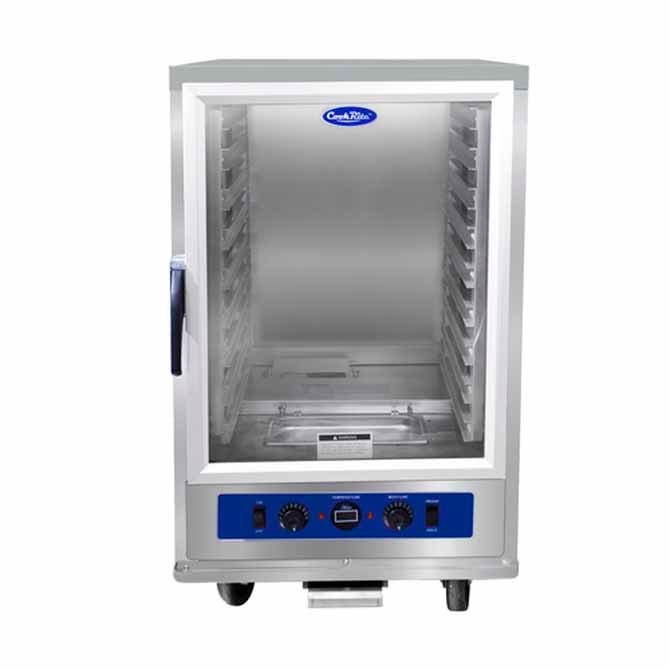
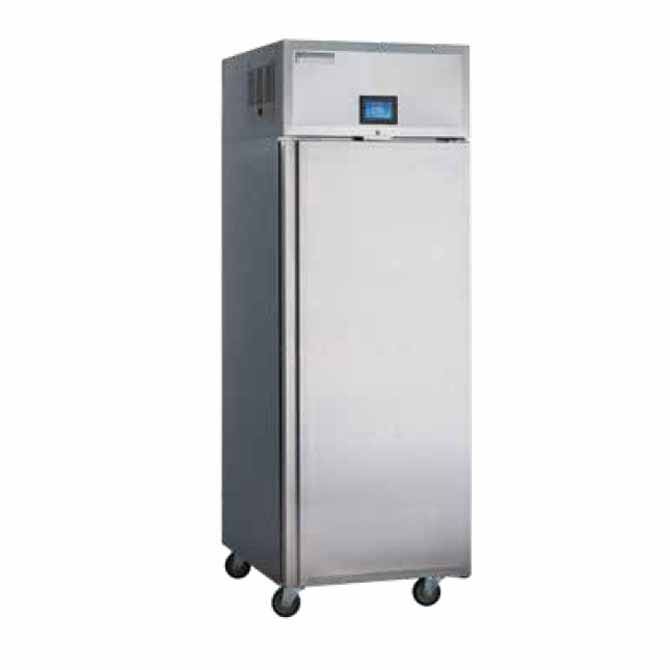
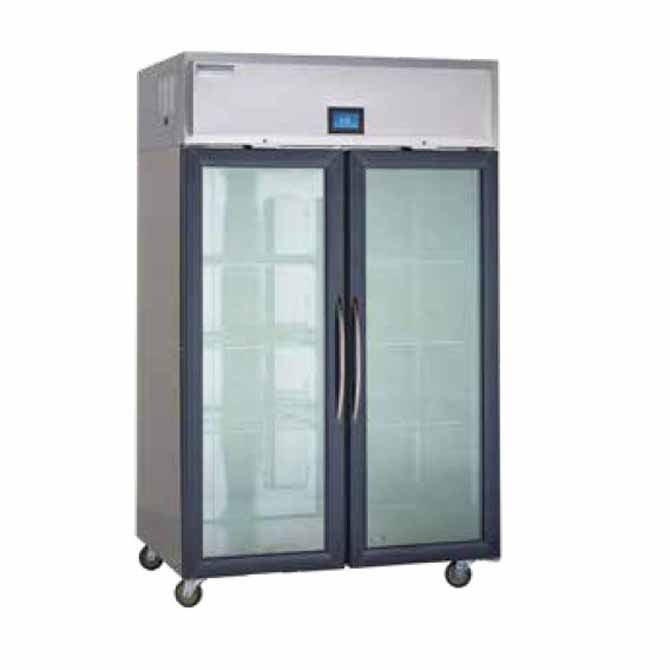
Holding cabinets. Insulated holding cabinets keep cooked food at safe serving temperature (typically 140°F-165°F) using either moist or dry heat. They come in countertop and full-size floor models, with capacities of 1 to 20+ full-size pans. Key specs include temperature range, humidity control, and whether the unit has a separate thermostat and timer.
Brands in this category
The database covers the commercial storage brands most common in US kitchens, including Cambro, Carlisle, Metro (InterMetro), and Advance Tabco for shelving and storage, and Bevles and Cres Cor for holding cabinets.
Buying used vs new
Storage equipment is among the best values in the used market — shelving, carts, and racks are simple, durable, and easy to inspect. Restaurant auctions regularly feature full shelving runs and holding cabinets at steep discounts. Check for bent posts, rust, and damaged casters when buying used; minor damage is usually cheap to fix. Use the specs in this database to match shelf capacity and dimensions to your storage plan.
Organized storage saves labor, reduces waste, and passes inspection — and the right equipment makes it easy.